Oligomeric proanthocyanidin complexes (OPCs)
Oligomeric proanthocyanidin complexes (OPCs) are a type of flavonoid that cannot be manufactured synthetically. They are known for their powerful antioxidative benefits that are 50 times stronger than Vitamin E and 20 times stronger than Vitamin C.
It has been scientifically proven that OPCs are an active agent for the strengthening of the cardiovascular system. They strengthen blood vessel health and function, keeping them flexible and strong so that oxygen and nutrients flow throughout the body. At the same time, this helps ensure that waste material and CO2 can flow harmlessly out of the bloodstream and body. OPCs also inhibit enzymes that breakdown collagen, stabilise vitamin C (the building block of collagen), helping to maintain collagen levels. By maintaining collagen levels, our blood vessel system is also well supported. OPCs can be found in grape's skin and seed, wine, berries and pine bark, which are not commonly taken on a daily basis.
Known as the discoverer of OPCs, Professor Jack Masquelier was the first person to have identified and isolated OPCs in 1948. He was able to harness the power of specific OPCs to deliver powerful antioxidant protection and support overall vascular health. Through his research, he developed a breakthrough ingredient - Masquelier's® Original OPCs; the world's first, widely researched and scientifically proven OPC that combines a unique and rich complex of OPCs and essential phytonutrients.
Share
Stay Inspired with Health Trends
20 Jun 2026
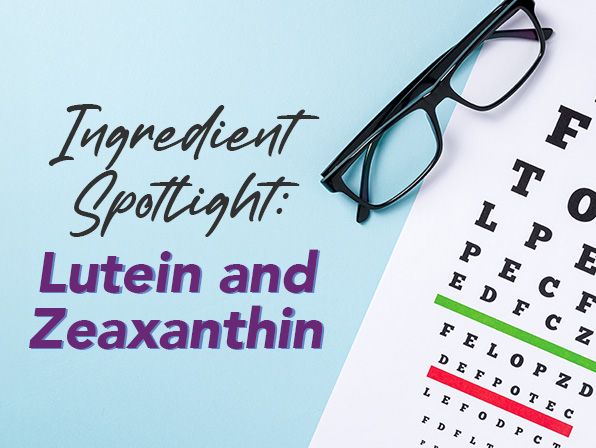
Ingredient Spotlight: Lutein and Zeaxanthin
Heard of Lutein and Zeaxanthin but not sure what they do? Think of them as a dynamic duo working behind the scenes to keep your vision sharp and your eyes in shape.
15 Jun 2026
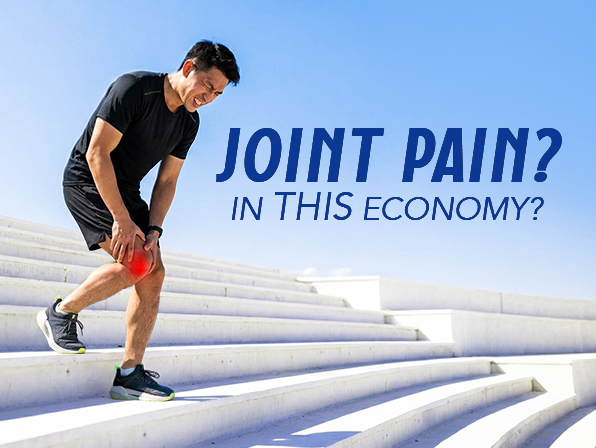
Joint Pain? In THIS Economy?
Your joints do the most behind the scenes, helping you run, climb stairs, and carry grocery bags like a champ. But as time goes on, they might start sending subtle “hey, something’s up” signals. That’s your cue to show them some extra care before things get uncomfortable.
23 May 2026
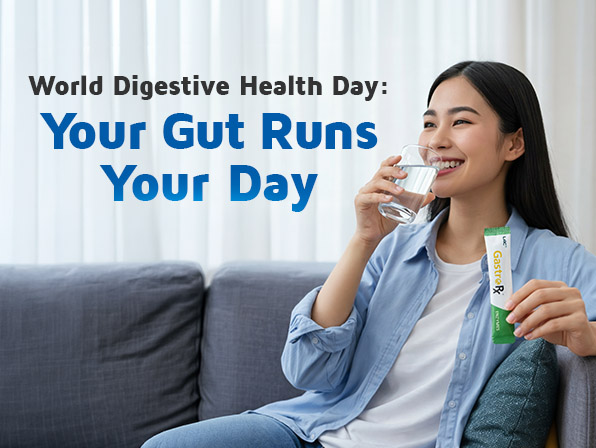
World Digestive Health Day: Your Gut Runs Your Day
In honour of World Digestive Health Day, are you ready to fix your bloating, boost your energy, and feel lighter from the inside out by prioritising your gut health?
08 May 2026
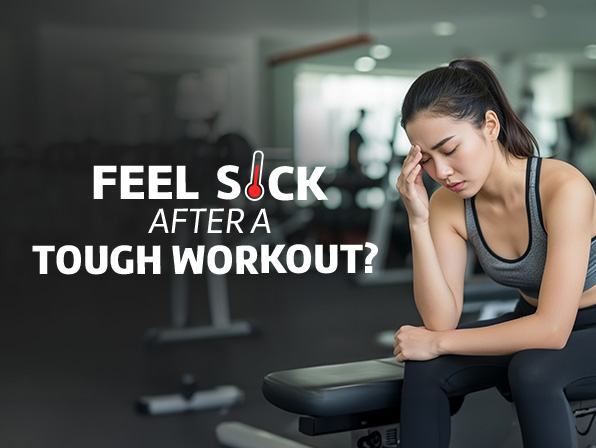
Feel Sick After A Tough Workout?
Have you ever experienced falling sick after an intense workout? Even more so when you have not exercised for a while and when you do, you experienced flu-like symptoms?

01 May 2026
Are Free Radicals From The Sun And UV Rays Bad For Your Skin?
Do you have friends that are constantly hiding from the sun or never fail to carry an umbrella anywhere he/she goes, even on fair-weather days?
And you wonder - is being under the sun really that bad for our skin?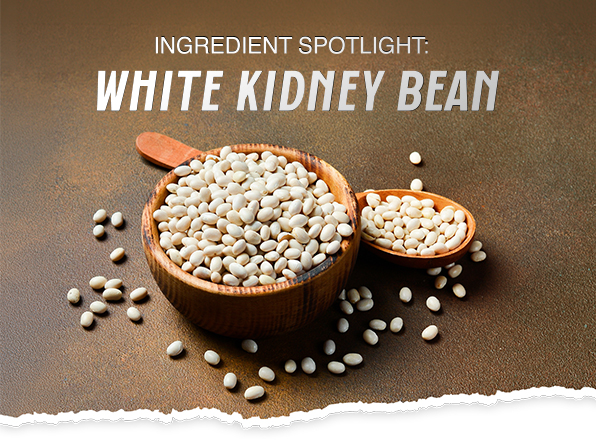
23 Apr 2026
Ingredient Spotlight: White Kidney Bean
Let’s learn more about this well-known carb-blocking ingredient called white kidney bean
20 Mar 2026
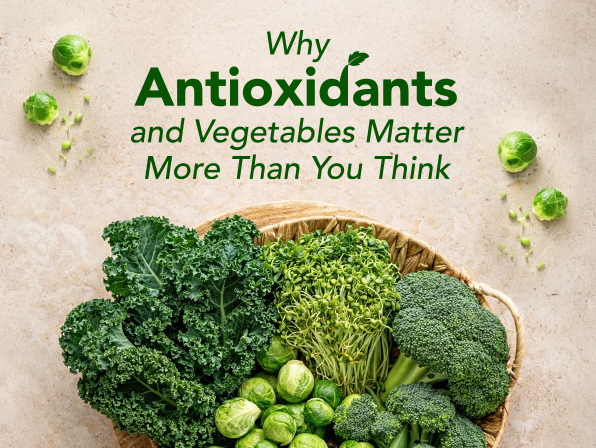
Why Antioxidants and Vegetables Matter More Than You Think
Cancer prevention does not start at the hospital. It starts with what you eat, how you live, and how well your body defends itself every day.