Niacin (Vitamin B3)
Other Names: Vitamin B3, Nicotinic Acid
Niacin, also known as Vitamin B3, is a water-soluble vitamin that facilitates energy production by metabolising carbohydrate, protein and fat.
It is involved in various bodily functions such as improving blood circulation, and supporting healthy nervous and digestive system. Studies have also shown that niacin has a role in maintaining healthy blood lipid profile by reducing LDL ('bad' cholesterol), increasing HDL ('good' cholesterol), and decreasing triglycerides level.
There are two forms: niacin and niacinamide. Niacinamide does not cause flushing so it is always labelled as 'flush free'. However, it does not possess all the same properties of niacin, such as the ability to lower cholesterol level.
Common food sources are beef liver, brewer's yeast, poultry, fish, nuts and legumes.
Symptoms of niacin deficiency include fatigue, dizziness, headaches, poor appetite, indigestion, memory loss, and pellagra (a disease characterized by 'three Ds' - dementia, diarrhea and dermatitis, mostly occurs in developing countries where food choices are not as varied). Some individuals might develop flush reaction (red rash on skin, with or without tingling sensation) after taking niacin supplement.
Share
Stay Inspired with Health Trends
20 Jun 2026
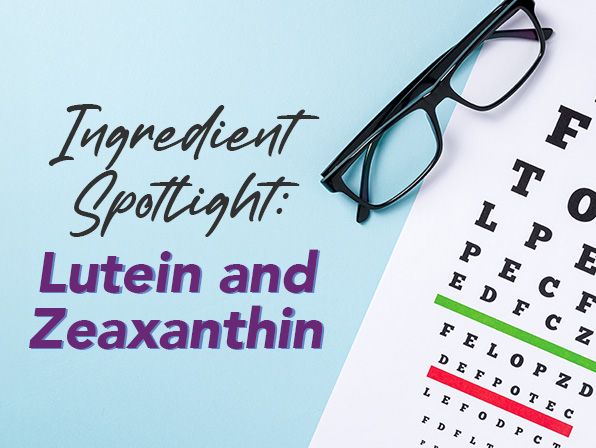
Ingredient Spotlight: Lutein and Zeaxanthin
Heard of Lutein and Zeaxanthin but not sure what they do? Think of them as a dynamic duo working behind the scenes to keep your vision sharp and your eyes in shape.
15 Jun 2026
Joint Pain? In THIS Economy?
Your joints do the most behind the scenes, helping you run, climb stairs, and carry grocery bags like a champ. But as time goes on, they might start sending subtle “hey, something’s up” signals. That’s your cue to show them some extra care before things get uncomfortable.
23 May 2026
World Digestive Health Day: Your Gut Runs Your Day
In honour of World Digestive Health Day, are you ready to fix your bloating, boost your energy, and feel lighter from the inside out by prioritising your gut health?
08 May 2026
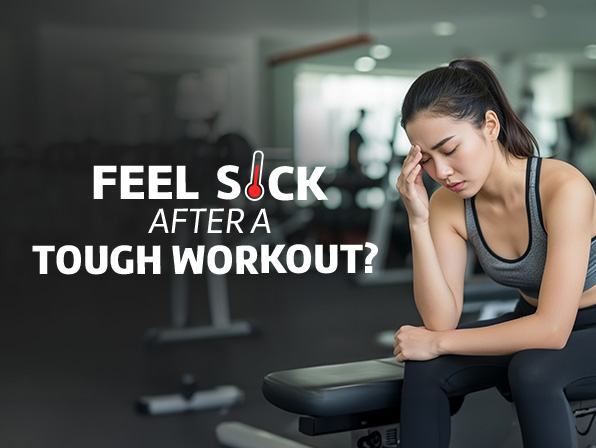
Feel Sick After A Tough Workout?
Have you ever experienced falling sick after an intense workout? Even more so when you have not exercised for a while and when you do, you experienced flu-like symptoms?

01 May 2026
Are Free Radicals From The Sun And UV Rays Bad For Your Skin?
Do you have friends that are constantly hiding from the sun or never fail to carry an umbrella anywhere he/she goes, even on fair-weather days?
And you wonder - is being under the sun really that bad for our skin?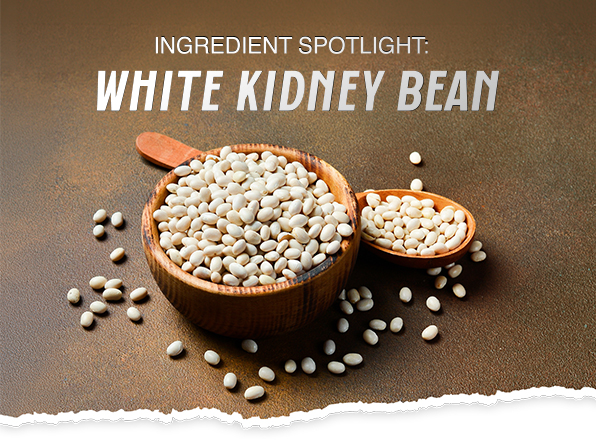
23 Apr 2026
Ingredient Spotlight: White Kidney Bean
Let’s learn more about this well-known carb-blocking ingredient called white kidney bean
20 Mar 2026
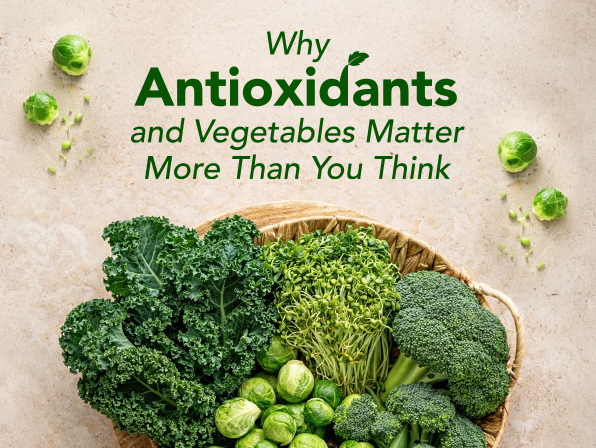
Why Antioxidants and Vegetables Matter More Than You Think
Cancer prevention does not start at the hospital. It starts with what you eat, how you live, and how well your body defends itself every day.