Prebiotics
Type: Prebiotics
A widely cultivated flowering herb commonly used for cooking, parsley is filled with vitamins, minerals, and antioxidants. One of the most powerful disease-fighting plants, parsley is a particularly rich source of Vitamin A and Vitamin K, and has multiple health benefits.
Rich in antioxidants, especially flavonoids and carotenoids, parsley can lower your risk of colon cancer, lung cancer, type 2 diabetes, and heart disease. It's strong antioxidant effects plays an essential role in boosting your immunity, preventing cell damage, stopping macular degeneration, and protecting against chronic disease.
As a rich source of Vitamin K, parsley can help your bones remain strong and healthy. By supporting bone-building cells called osteoblasts, parsley increase your bone mineral density, which is especially important as you grow older.
Finally, parsley is a good sources of Vitamin B9 a.k.a Folic acid, which protect the heart and may reduce risks of heart diseases.
What are Prebiotics?
Just like Probiotics, prebiotics are an essential part of your gut health. Prebiotics are a type of specialised plant fibre that feed the friendly bacteria in your gut and stimulate the growth of friendly bacteria. Prebiotics are often found in fruits and vegetables that contain complex carbohydrates, such as artichokes, asparagus, bananas and apples.
When prebiotics are broken down, it creates short-chain fatty acids that can help to improve digestion and metabolism, regulate bowel movement, suppress appetite, boost immunity, and reduce risk of allergies and colon cancer.
What's the difference between Probiotics and Prebiotics?
While both support the growth of friendly bacteria and aid digestive health, they help in different ways. Majority of probiotics are live organisms, which come in the form of bacteria and yeast strains that increase the amount of friendly bacteria in your gut. Prebiotics are not live organisms, but rather, naturally occurring food components for the probiotics to grow. In short, prebiotics are the fertiliser that helps probiotics to multiply, which is why they are often linked in health supplements.
Share
Stay Inspired with Health Trends

20 Jun 2026
Ingredient Spotlight: Lutein and Zeaxanthin
Heard of Lutein and Zeaxanthin but not sure what they do? Think of them as a dynamic duo working behind the scenes to keep your vision sharp and your eyes in shape.
15 Jun 2026
Joint Pain? In THIS Economy?
Your joints do the most behind the scenes, helping you run, climb stairs, and carry grocery bags like a champ. But as time goes on, they might start sending subtle “hey, something’s up” signals. That’s your cue to show them some extra care before things get uncomfortable.
23 May 2026
World Digestive Health Day: Your Gut Runs Your Day
In honour of World Digestive Health Day, are you ready to fix your bloating, boost your energy, and feel lighter from the inside out by prioritising your gut health?

08 May 2026
Feel Sick After A Tough Workout?
Have you ever experienced falling sick after an intense workout? Even more so when you have not exercised for a while and when you do, you experienced flu-like symptoms?

01 May 2026
Are Free Radicals From The Sun And UV Rays Bad For Your Skin?
Do you have friends that are constantly hiding from the sun or never fail to carry an umbrella anywhere he/she goes, even on fair-weather days?
And you wonder - is being under the sun really that bad for our skin?
23 Apr 2026
Ingredient Spotlight: White Kidney Bean
Let’s learn more about this well-known carb-blocking ingredient called white kidney bean
20 Mar 2026
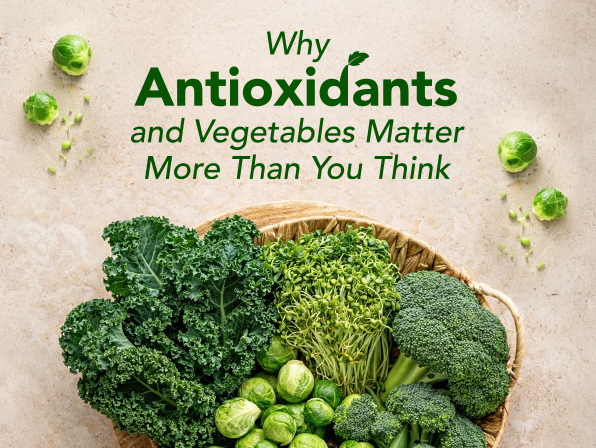
Why Antioxidants and Vegetables Matter More Than You Think
Cancer prevention does not start at the hospital. It starts with what you eat, how you live, and how well your body defends itself every day.